Understanding the Role of a Commercial General Contractor in Achieving Superior Building Outcomes
A commercial general contractor is indispensable in the construction field. They guarantee that projects are completed on time and within budget. Their role involves managing intricate timelines and coordinating various parties. This integration is necessary for sustaining high safety and quality levels. Understanding their responsibilities demonstrates their effect on final project success. Which particular methods do they use to navigate challenges and deliver successful results?
The Importance of a Commercial General Contractor
Although some may underestimate their role, a commercial general contractor is indispensable for successful building work. Serving as the main coordinator, these professionals ensure the smooth integration of all construction elements. Their expertise encompasses not only project management but also effective communication between stakeholders, including clients, subcontractors, and suppliers. By overseeing timelines, budgets, and resource allocation, they mitigate risks and streamline operations.
Additionally, commercial general contractors manage complicated legal frameworks, ensuring adherence to local safety standards and building codes. Their experience in conflict resolution and handling issues is extremely valuable, particularly when unforeseen difficulties occur during the build. Ultimately, a skilled commercial general contractor promotes teamwork, improves efficiency, and boosts the project's overall quality. Their pivotal role lays the groundwork for successful outcomes, making them integral to any building endeavor, regardless of size or intricacy.
Key Responsibilities of a Commercial General Contractor
While overseeing a construction project, a commercial general contractor takes on numerous crucial duties that are critical for a positive outcome. Chiefly, they manage project schedules, guaranteeing that timelines are adhered to and that the project progresses as planned. They also control the budget, managing expenses and ensuring resources are allocated efficiently.
The contractor is also accountable for securing and overseeing subcontractors, vetting competent individuals for specialized tasks such as piping and wiring tasks. The contractor ensures adherence to local construction standards and safety rules, reducing hazards associated with building operations.
In addition, the general contractor is charged with securing necessary permits and licenses to streamline project execution. The contractor performs routine site checks to monitor quality and progress, resolving problems that arise without delay. Their primary responsibility is to make certain that the project meets specifications, is finished within the schedule, and is completed under the allocated funds.
The Role of Coordination and Communication in Construction
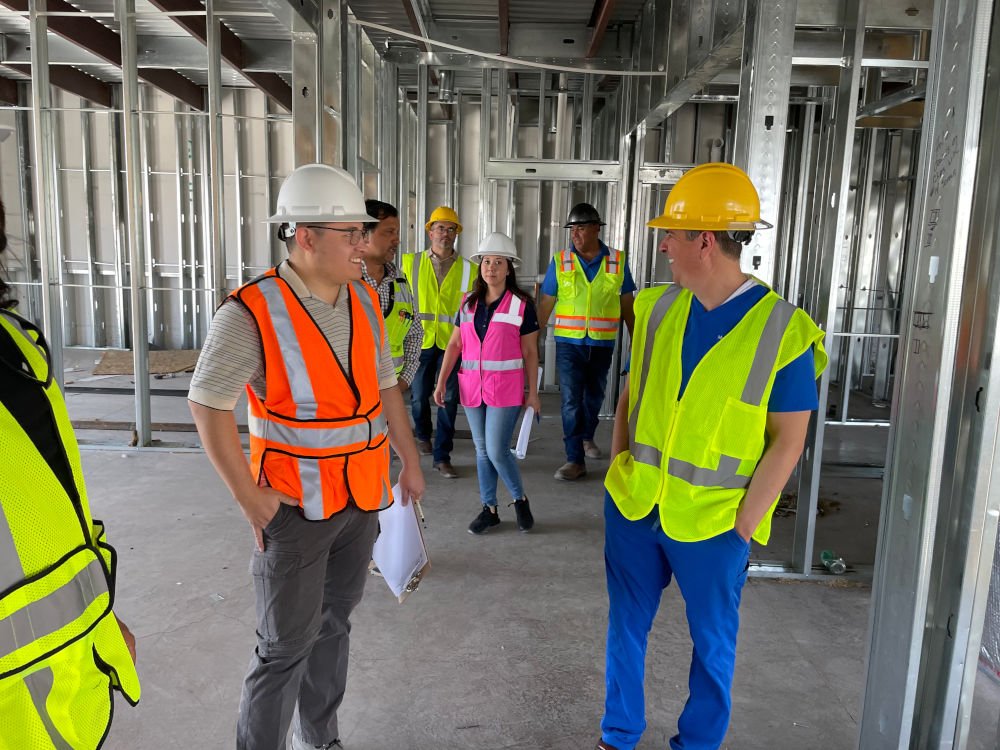
Good coordination and clear communication are key factors in the success of construction projects, as they make certain all participants are on the same page with the project's goals and timelines. A commercial general contractor is instrumental in facilitating this process by creating transparent communication pathways among architects, subcontractors, suppliers, and clients. They make certain that updates regarding potential issues, modifications, and progress updates are communicated promptly and effectively.
Routine meetings and progress reports are essential to this coordination, allowing for the timely resolution of conflicts and the modification of timelines when required. The contractor's ability to foster collaboration among diverse teams enhances overall project efficiency and reduces confusion. The adoption of project management tools and software can streamline communication, making sure that all parties have access to the up-to-date information. Ultimately, effective coordination and communication lead to improved project outcomes and client contentment in the construction industry.
Budget Management and Financial Oversight
Budget management and financial oversight are essential to the favorable realization of construction work, making certain resources are used effectively and spending is contained. A commercial general contractor is key in this process by creating comprehensive budgets based on project scope and client expectations. The contractor tracks spending throughout the project lifecycle, identifying variances and performing needed modifications to prevent cost evaluation overruns.
The contractor works closely with suppliers and subcontractors to negotiate contracts, guaranteeing fair pricing while maintaining quality standards. Regular financial reporting and forecasting allow stakeholders to remain current and take prompt action. By enforcing rigorous financial measures, the contractor reduces potential issues associated with unanticipated expenditures, preserving the financial stability of the project. In the end, sound financial control and budget administration not only enhance project viability but also cultivate a reliable relationship with the client, paving the way for successful project completion.
Maintaining High Safety and Quality Levels
A thorough approach to ensuring safety and quality standards is critical for construction projects, where the stakes are high and the margins for error are slim. General contractors in the commercial sector are key players in implementing rigorous safety protocols and quality assurance measures during every phase of the project. Contractors must comply with best practices, local regulations, and building codes, which minimizes project risks and enhance overall project integrity.
For this purpose, contractors often carry out routine site checks, ensure adherence to safety rules, and offer continuous employee education. They also engage qualified subcontractors and suppliers who prioritize quality results, ensuring that materials and workmanship meet established standards. Through cultivating a focus on safety and quality, commercial general contractors not only protect their workforce but also increase the permanence and strength of their structures, ultimately leading to successful project outcomes and satisfied clients.
Frequently Asked Questions
Which Credentials Should I Seek in a General Contractor?
When hiring a commercial builder, one should consider their experience, references, licenses, portfolio, and insurance coverage - Hickory top rated Commercial General Contractor. Additionally, effective communication skills and a demonstrated ability to manage time and financial constraints are essential for successful project delivery
How Do I Select the Right Contractor for My Project?
To select the right contractor, one should evaluate their experience, verify past clients, look at previous work, validate insurance and licensing, and ensure open lines of communication. A thorough interview process can help assess alignment with project objectives.
What Issues Are Typical for Commercial Builders?
Commercial builders commonly encounter difficulties including managing subcontractors, labor shortages, budget limits, scheduling issues, and compliance requirements. These issues can impact project timelines, costs, and overall quality if not effectively addressed throughout the process.
What is the Contractors' Approach to Unforeseen Problems During Building?
Contractors address unexpected issues during construction by determining the situation fast, formulating alternative solutions, and communicating with stakeholders. Hickory top rated Commercial General Contractor. They often rely on their collective experience and cooperation to put solutions into place, making sure there is minimal disruption to the project's budget and timeline
What is the Usual Schedule for a Commercial Building Project?

The usual duration for a commercial building project can range from several months to a few years, depending on factors such as project scope, complexity, the necessary permits, and the materials and labor being available.